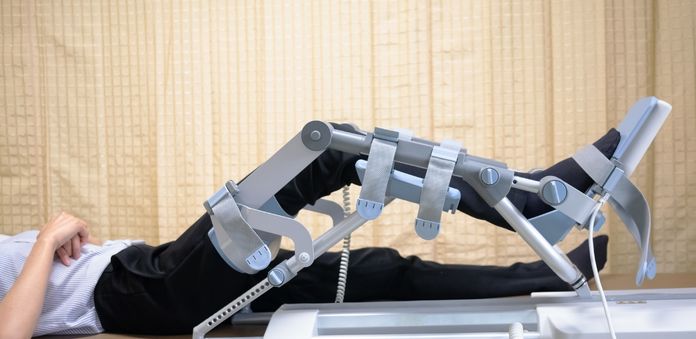
1. Welcome and Intake — Starting with You
Before any exercise or gadget, your smart rehab journey begins with a comprehensive intake:
– A detailed medical and injury history
– Baseline questions about pain, movement limitations, and lifestyle
– Specific goals (e.g., return to sport, pain‑free daily movement)
This preliminary step ensures we understand you — not just your symptoms — and tailor the rehab setup accordingly.
2. Smart Assessment: Merging Technology & Clinical Insight
Smart rehab setups go beyond traditional assessments. While hands‑on evaluation remains essential, digital tools and measurement systems bring precision and objectivity into the picture:
– Motion tracking and range‑of‑motion sensors
– Functional movement analytics
– Performance scoring against benchmarks
These systems capture real‑time data on how your body moves, helping therapists spot compensations, asymmetries, or limitations that aren’t easily visible with a glance alone. This objective insight supports tailored plans that evolve as you improve.
3. Personalized Program Design
Once the data is collected, your therapist uses it — along with clinical expertise — to craft your smart rehab plan. A personalized program might include:
– Evidence‑based exercises with precise performance targets
– Realistic progression milestones
– Integrated wearable or digital feedback tools (when applicable)
What sets this step apart is the focus on your unique body, movement patterns, and goals rather than one‑size‑fits‑all routines.
4. Guided Setup & Initial Training
During your first rehab session in the smart setup, your therapist will:
– Introduce any tech tools or devices used in your plan
– Demonstrate exercises with real‑time feedback features
– Show you how to monitor your performance
– Adjust settings based on comfort and safety levels
This collaborative setup ensures you are confident and comfortable using both the exercises and any associated technology.
5. Real‑Time Feedback and Progress Tracking
One of the biggest advantages of smart rehab setups is real‑time feedback — and consistent tracking:
– Objective data helps track improvements in mobility, strength, balance, and function
– You can see progress over time, which enhances motivation and adherence
– Therapists use this information to update and fine‑tune your plan
This creates a loop of continuous improvement: you perform, the system measures, and your therapist adjusts — all based on real data, not guesswork.
6. Ongoing Plan Adjustments & Empowerment
Smart rehab isn’t static. As you improve:
– Exercises evolve in challenge and complexity
– Data patterns guide safer progressions
– New goals emerge (e.g., return to work, play, or sport)
You are an active partner in your recovery. With data guiding each step, you’ll make informed decisions and understand why each change matters.
7. Home Integration & Long‑Term Success
Finally — and crucially — smart rehab setups often include tools you can use outside the clinic:
– Digital exercise reminders
– Wearable feedback devices
– Simple home progress tracking
– Education and movement insights
This bridges the gap between clinic sessions and daily life, ensuring your recovery continues confidently between appointments.